
01 · MOTION
Inogec Omnidirectional driving system
Omnidirectional driving system uses INOGEC’s patented omniwheel track technology.Lateral and diagonal travel plus on-the-spot rotation for dense layouts and restricted spaces.
Technical details ↓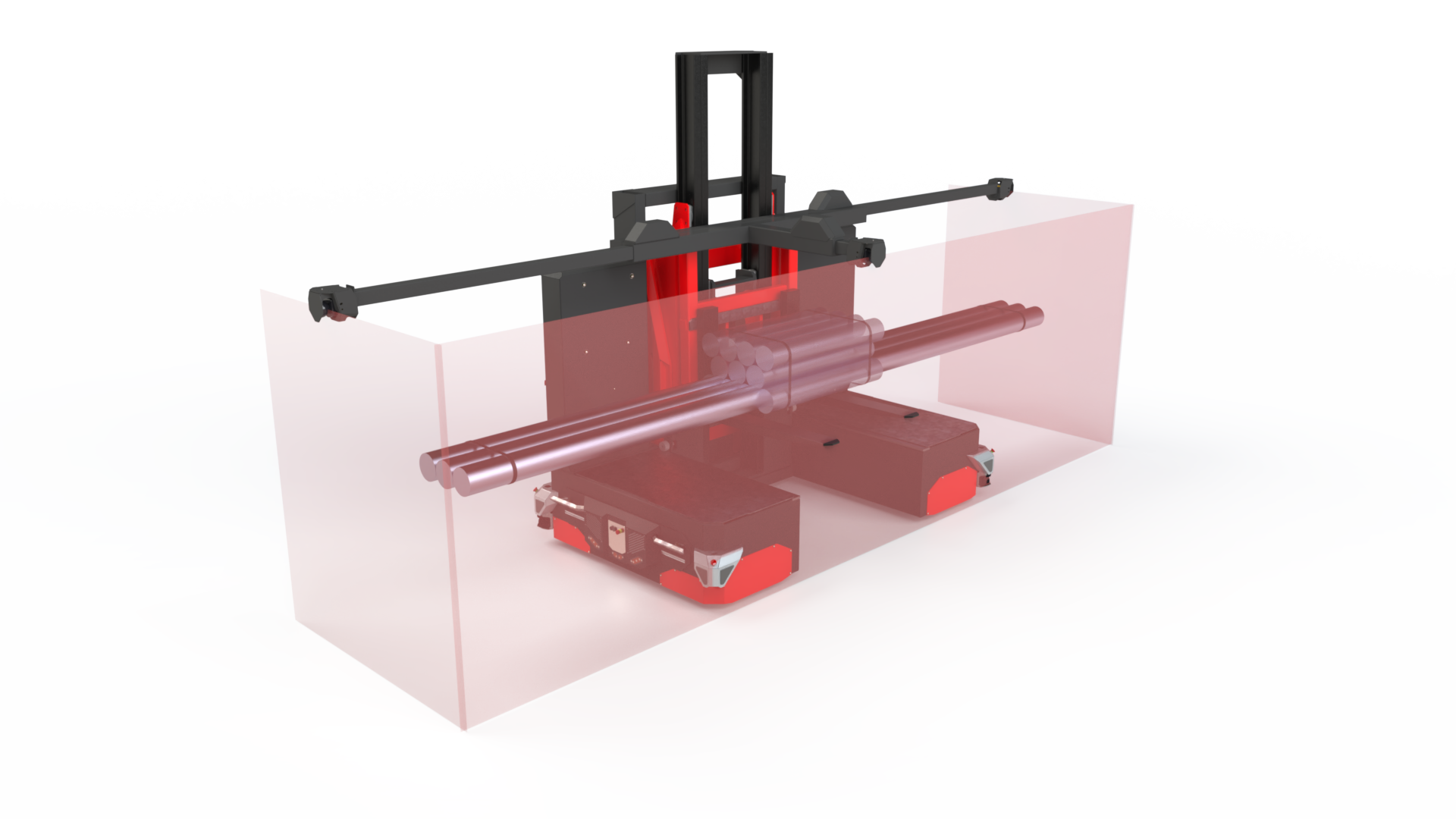
These technical layers validate motion, navigation, docking, safety, and operation after a solution architecture has been selected.
Each layer is adapted to the application, then validated with the complete vehicle during FAT.
Lateral and diagonal travel plus on-the-spot rotation for dense layouts and restricted spaces.
Technical details ↓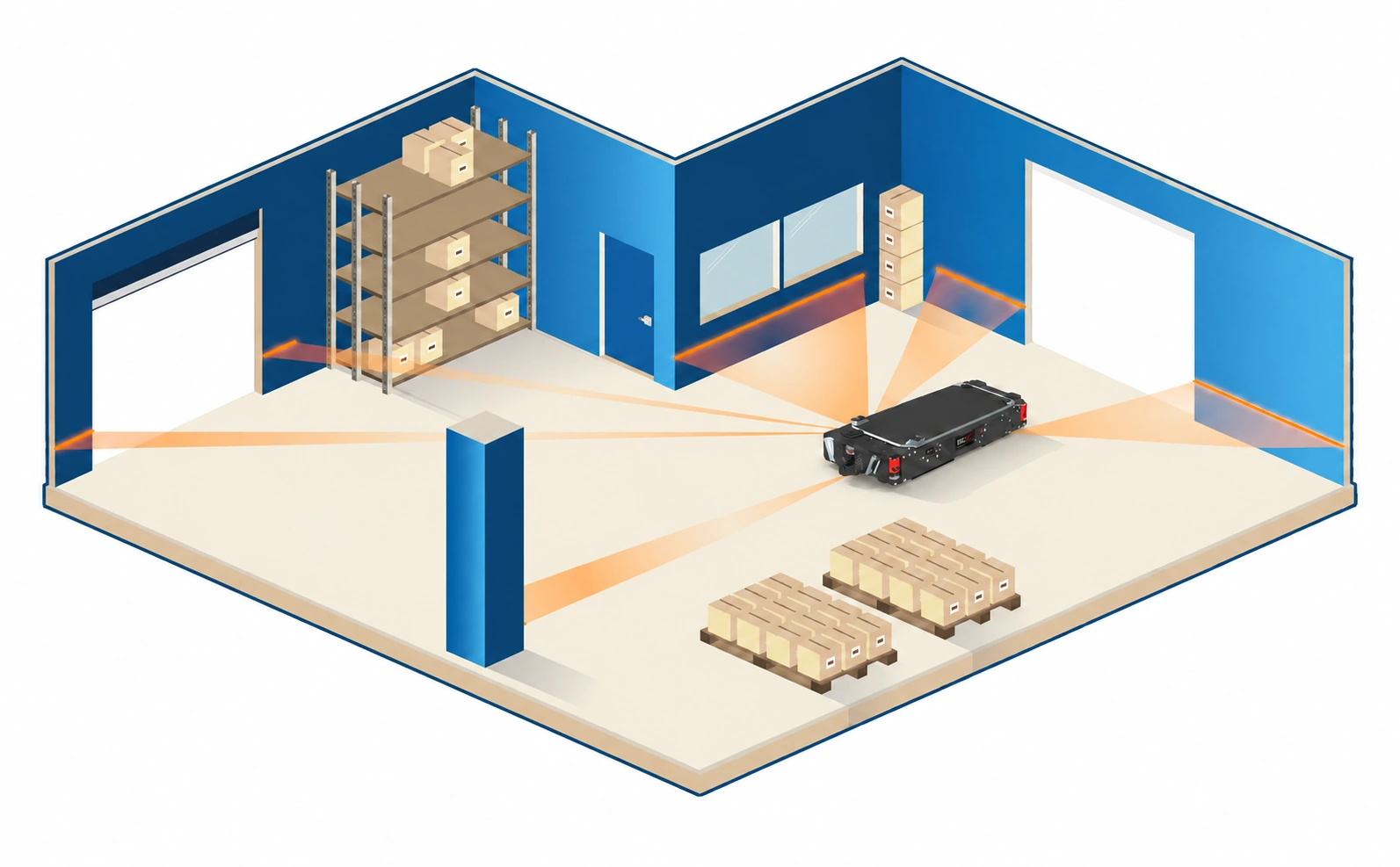
Natural navigation adapts to the site’s automation level and operating needs.
Technical details ↓_Camera_VUE%20ISO%20SAFETY%20FIELD%202.png)
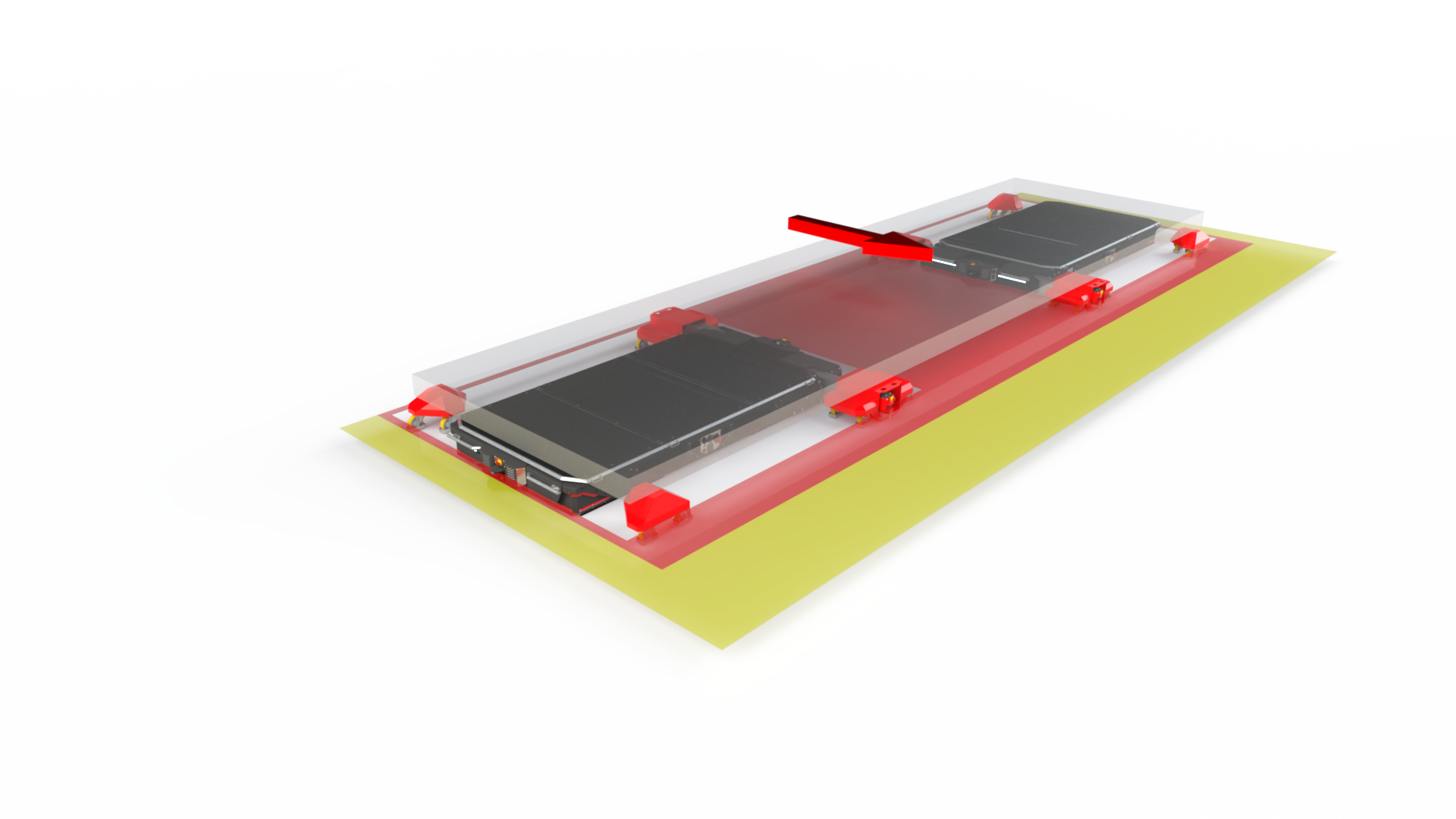
Complete perimeter coverage with transparent interlocking to the customer’s safety systems.
Technical details ↓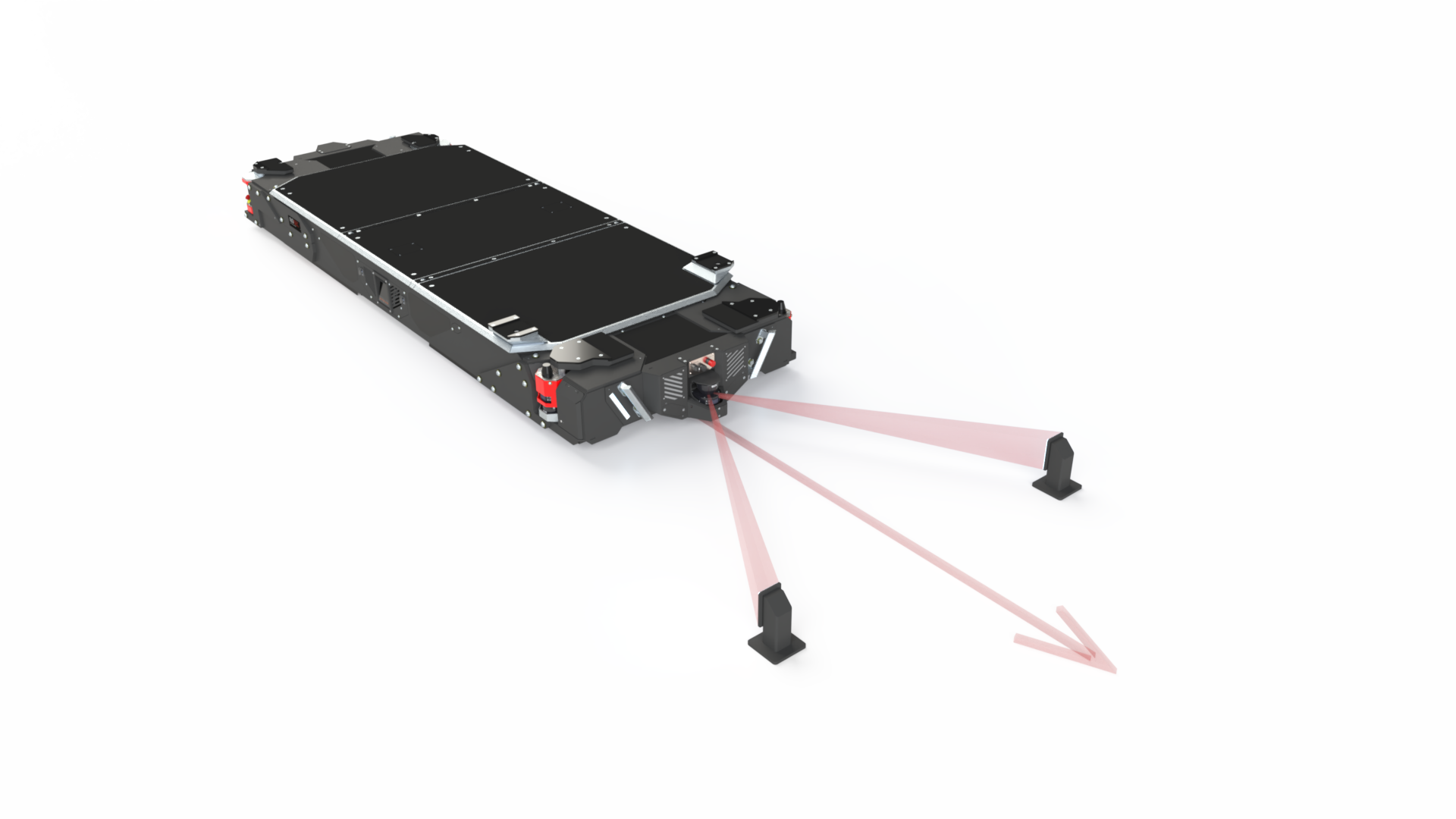
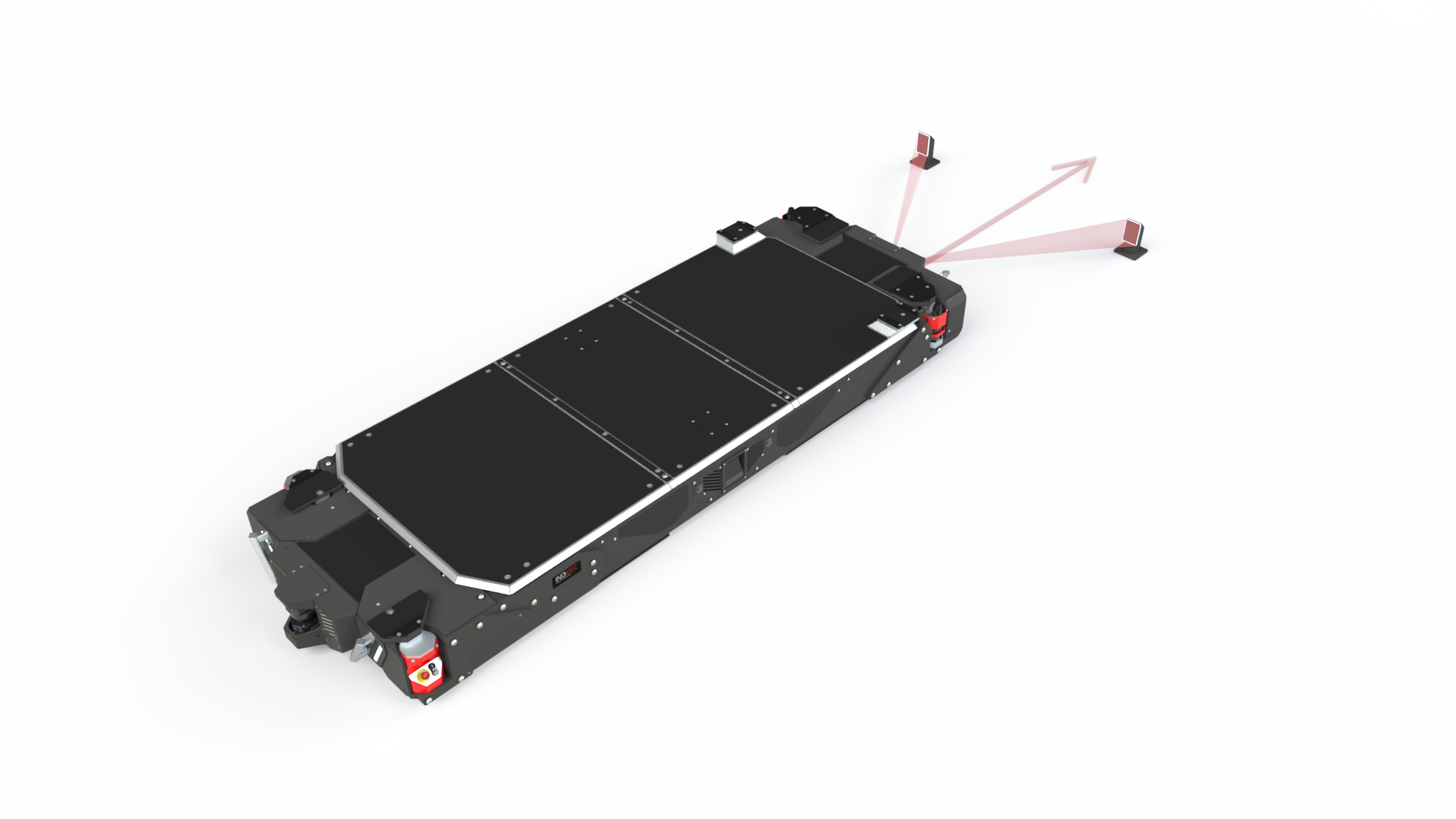
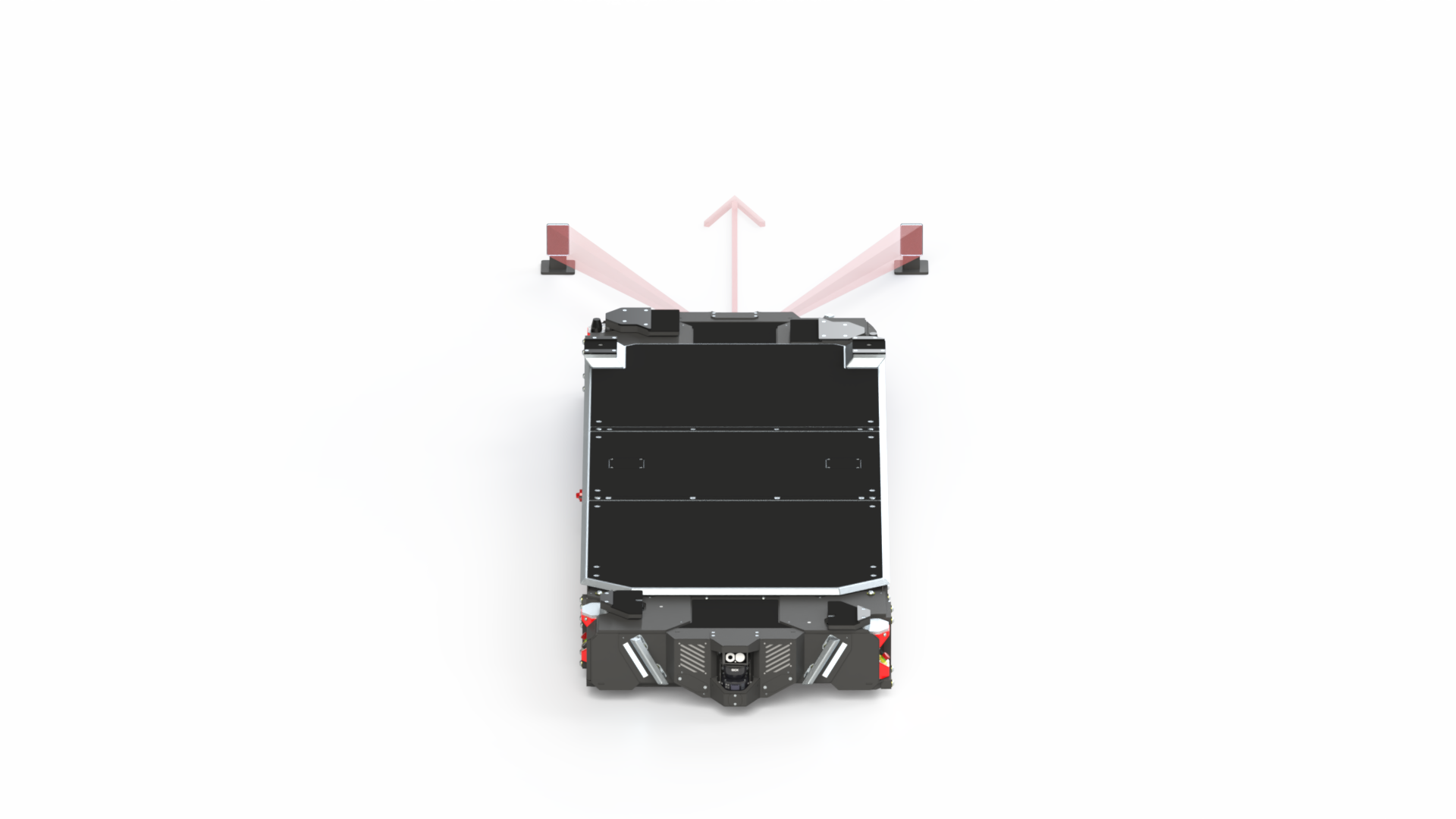
Onboard LIDAR detects references and dynamically corrects docking to carts, dollies, or tables.
Technical details ↓_Camera_VUE%20ISO%201%20TANDEM.png)
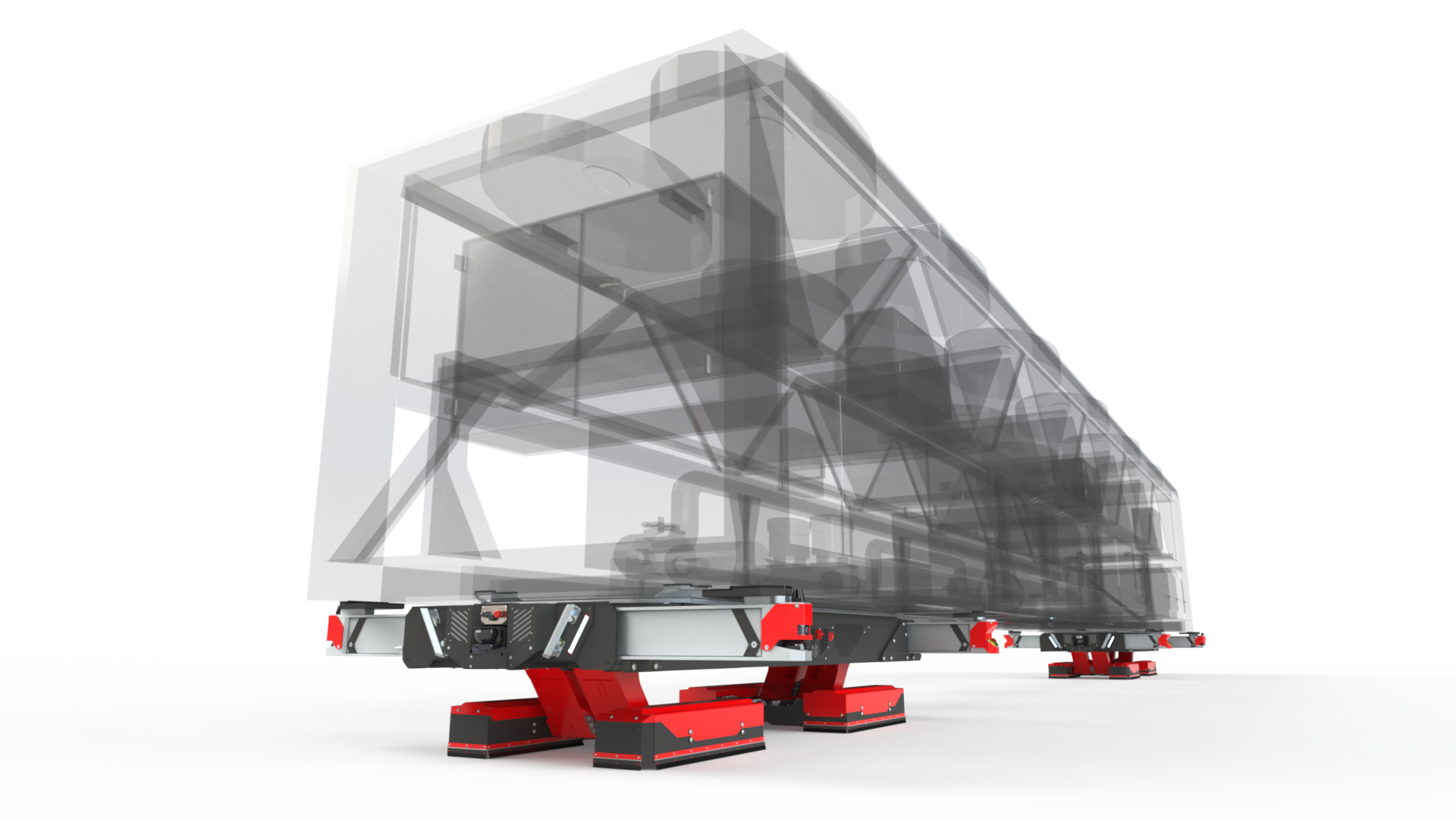
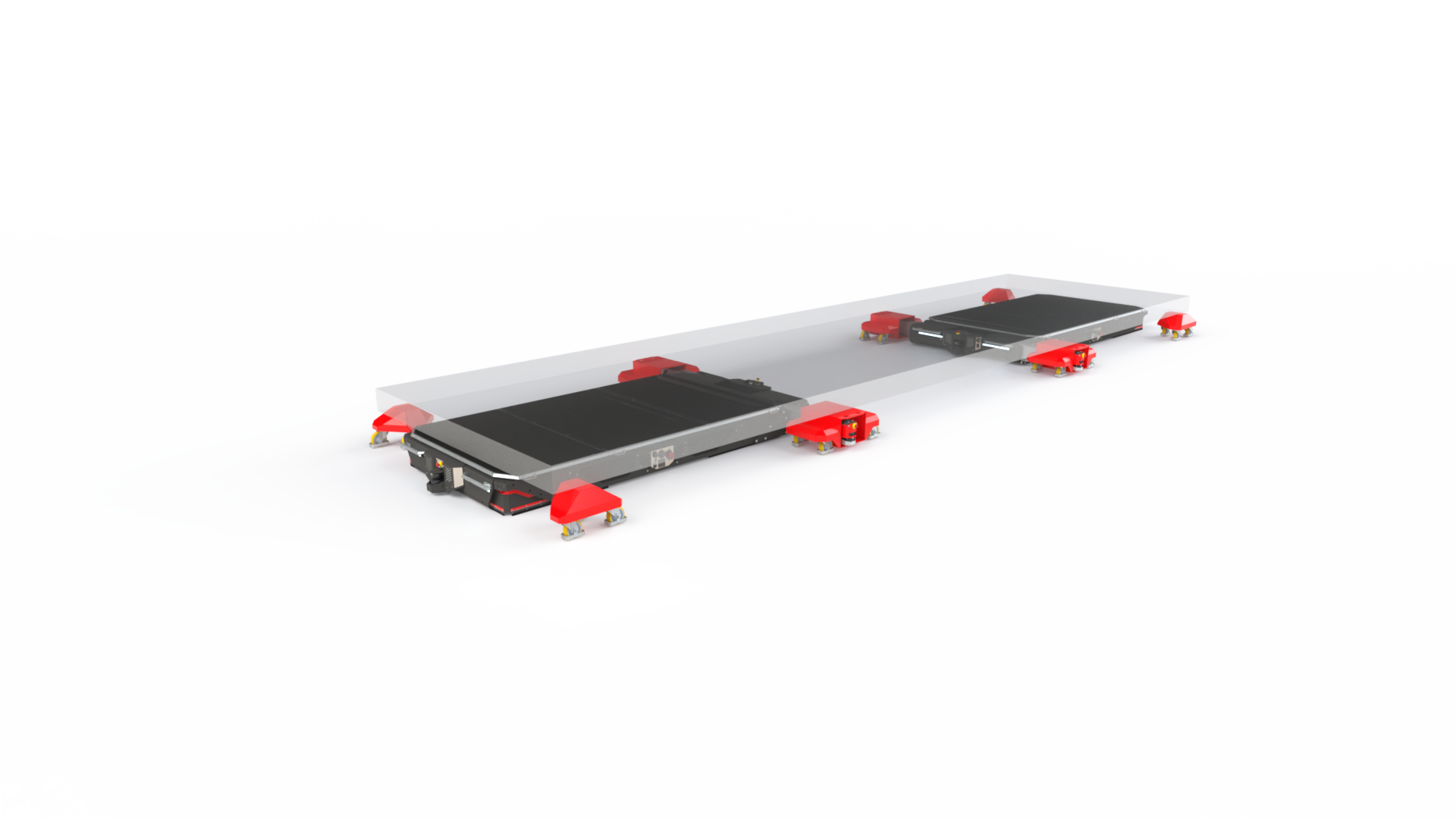
Two AGVs synchronize wirelessly to move an oversized load as one coordinated system.
Technical details ↓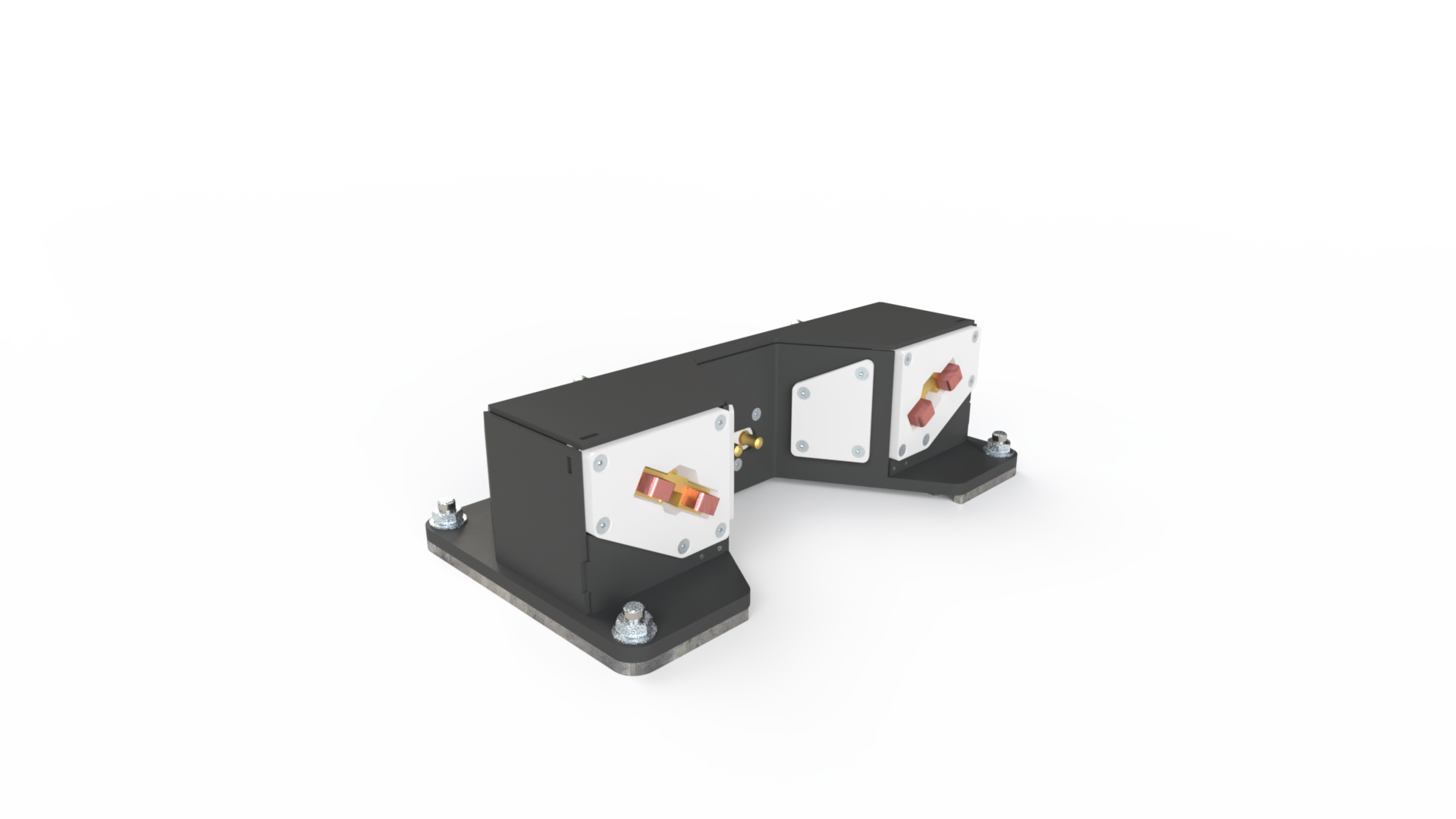
_Camera_VUE%20ISO%201%20CHARGEUR%202.png)
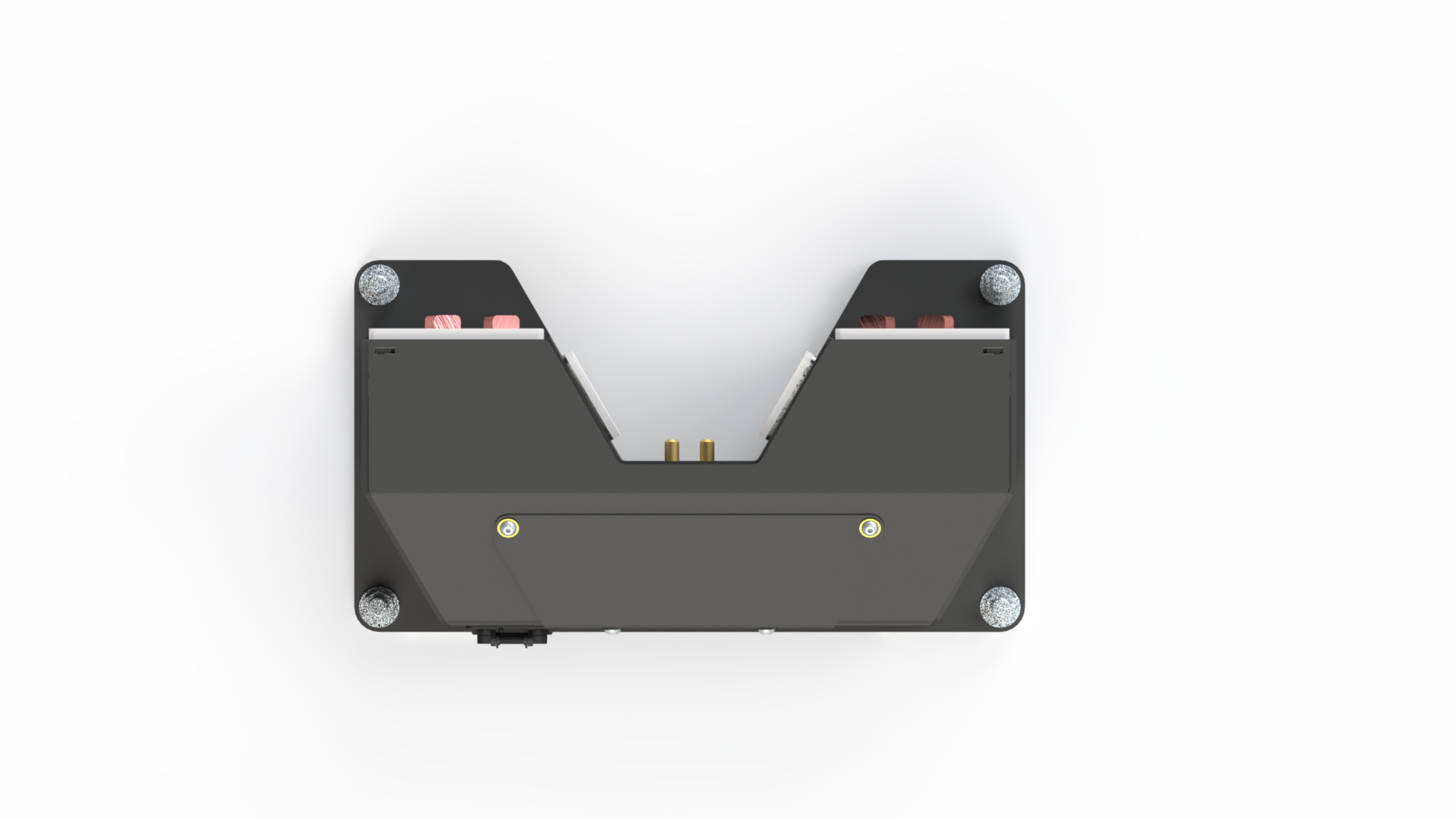
Opportunity charging is built into the duty cycle and the route’s natural waiting points.
Technical details ↓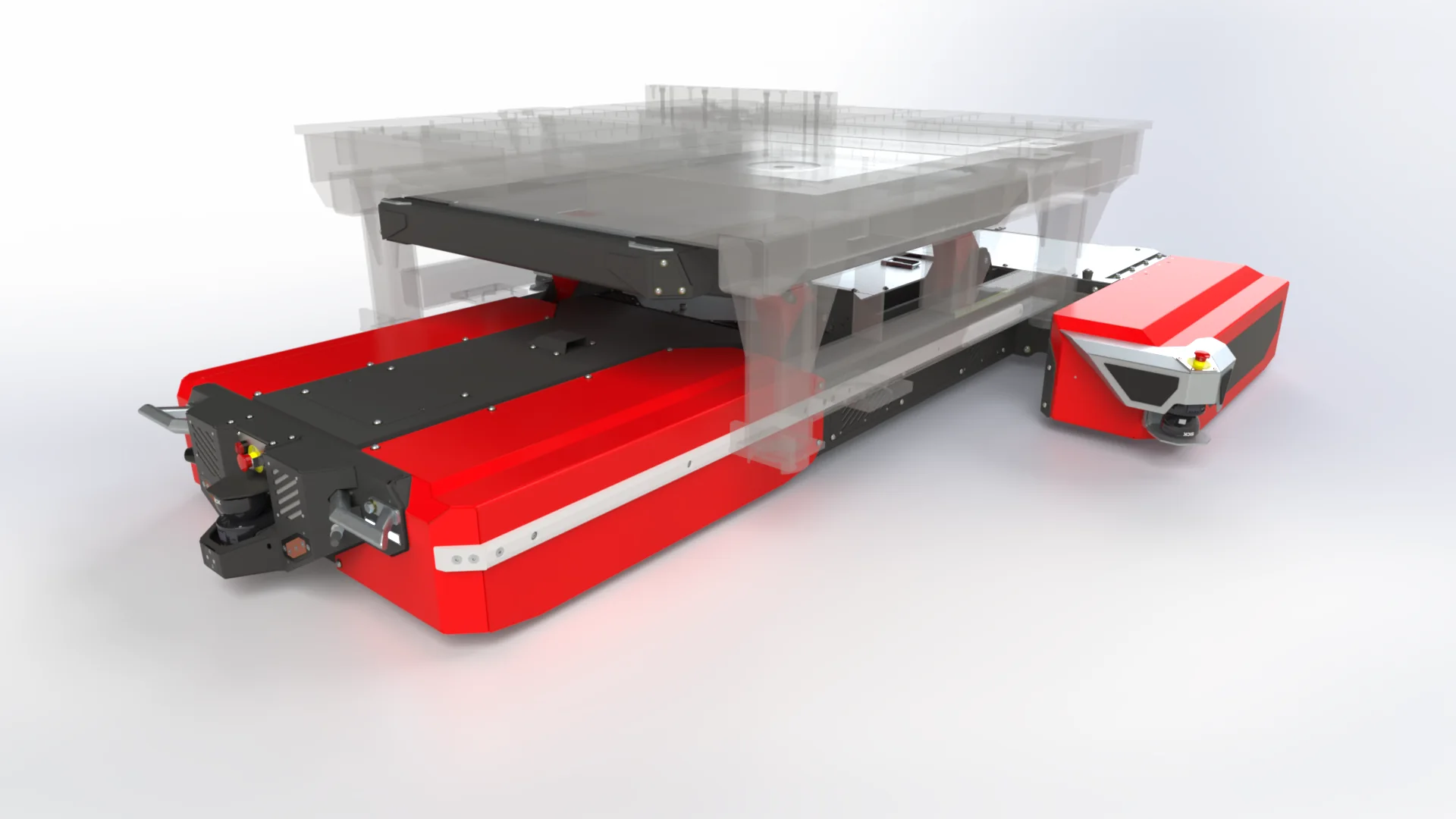
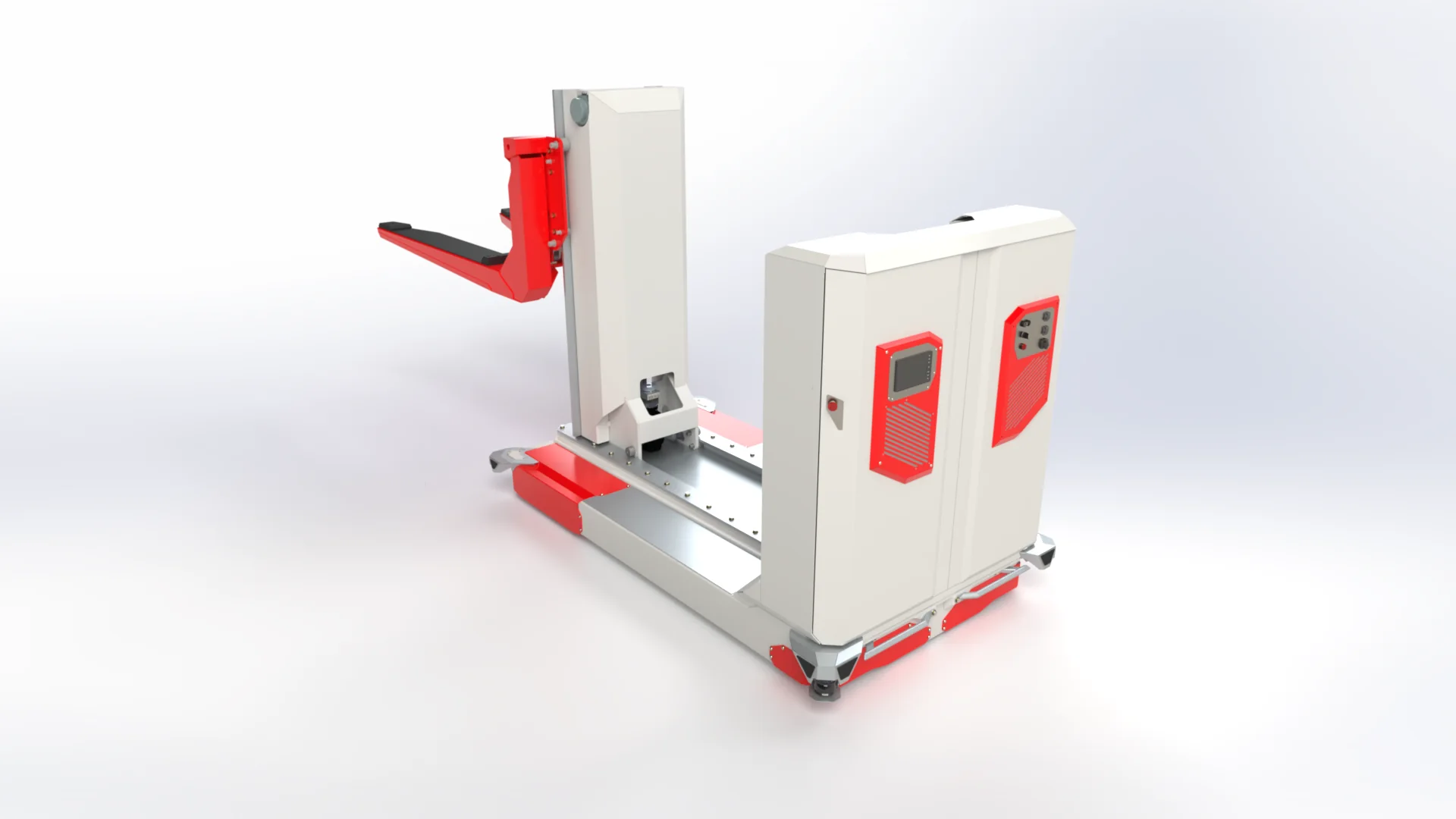
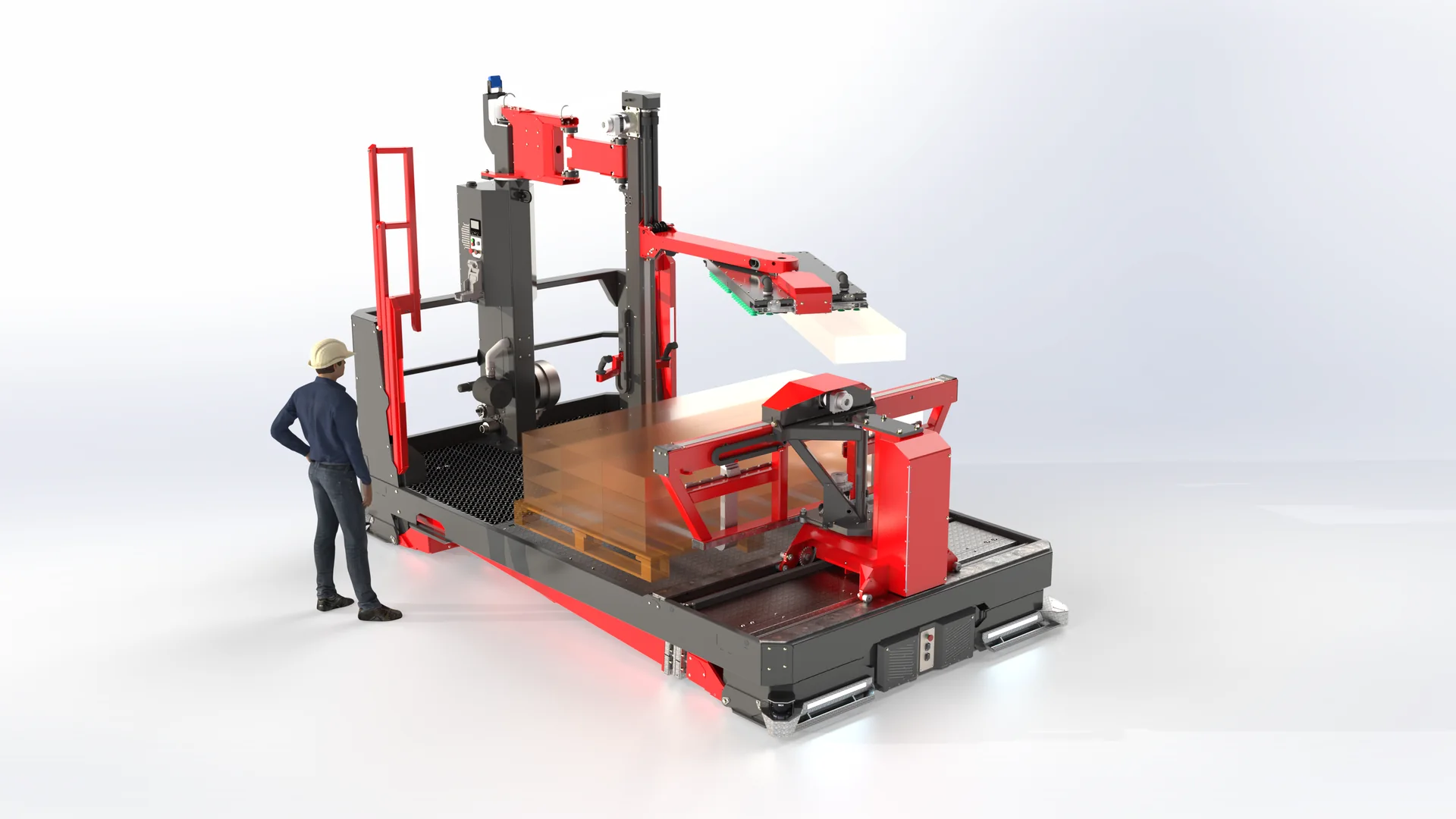
Durable materials, industrial components, and high-performance electrical systems for demanding manufacturing environments.
Technical details ↓Final values depend on the load, duty cycle, environment, and configuration selected during engineering.
Omnidirectional driving system uses INOGEC’s patented omniwheel track technology. Each wheel module is independently steered and driven, allowing the vehicle to translate in any direction without rotating the chassis.
Depending on configuration and layout, this architecture can reduce aisle width by up to 40%, dock without a turnaround maneuver, and move large or eccentric loads through restricted openings.
USED IN · Platform Series · Lift Series · Custom
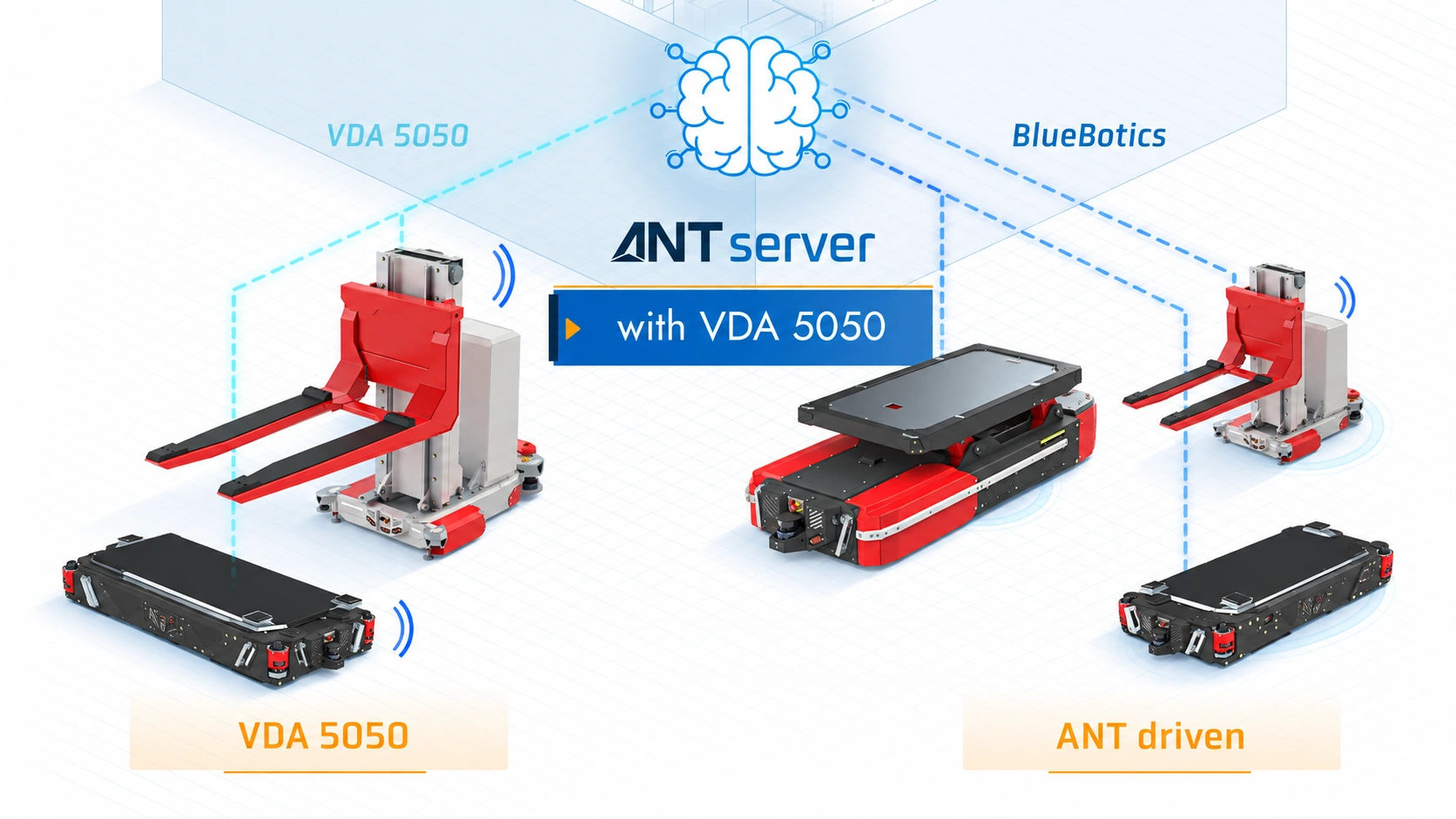
Inogec integrates BlueBotics ANT® natural navigation as its standard autonomy stack. The architecture is used on vehicles ranging from compact AMRs to heavy-payload AGVs rated up to 30 tonnes depending on configuration.
Natural navigation reads the plant’s existing geometry (walls, columns and racking) to localize without floor magnets, reflectors, or QR codes. Vehicles can be re-tasked and layouts changed without reinstalling infrastructure.
The same vehicle can provide manual remote control, semi-autonomous operation, and full autonomy according to the site’s operating needs.
USED IN · Platform Series · Lift Series · Custom
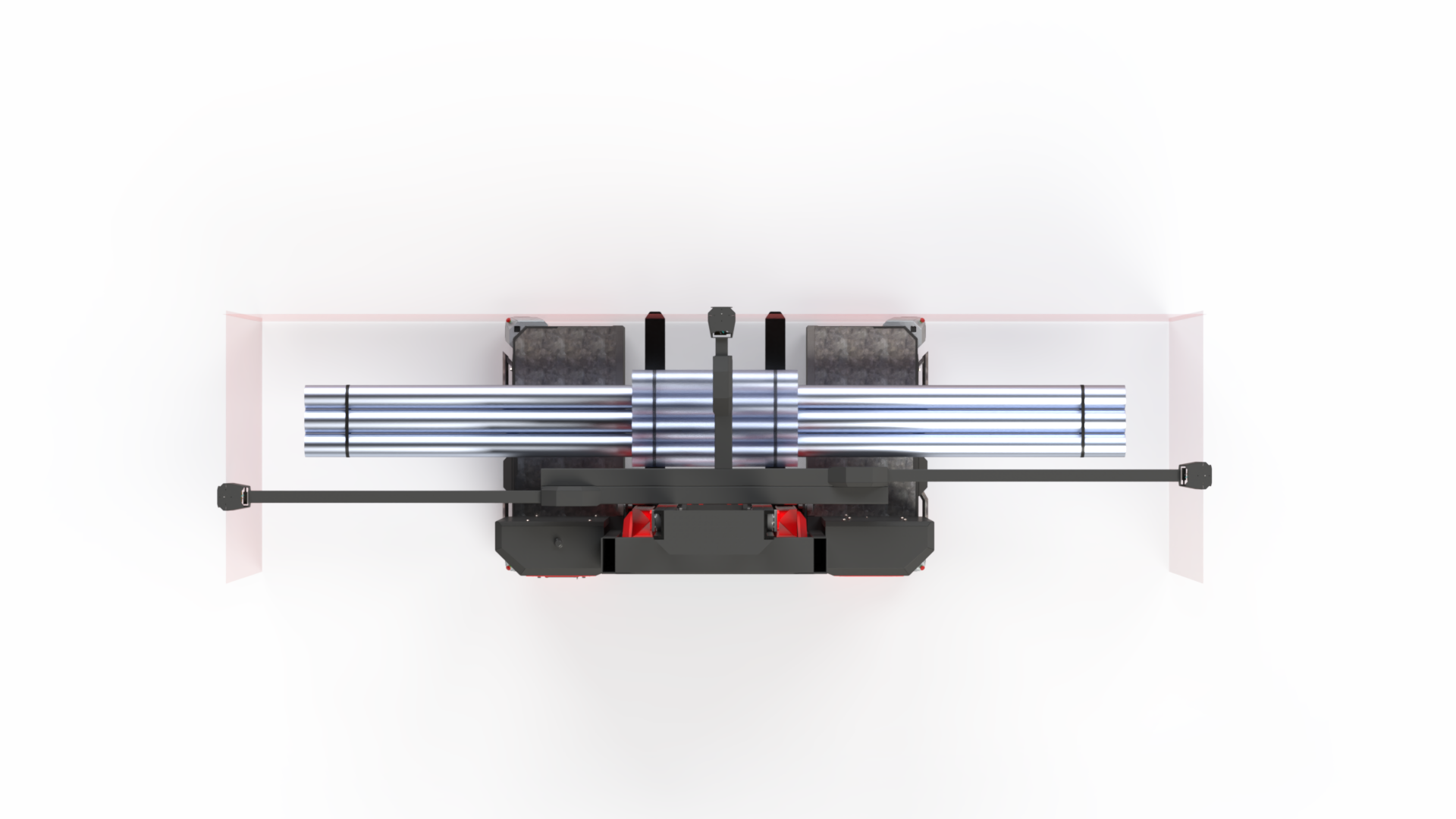
The safety architecture is designed around ISO 3691-4 according to project scope and configuration. Redundant safety LIDARs create protective fields around the chassis and carried load, including loads that overhang the vehicle footprint.
3D anticollision cameras add height-aware detection for forks, mezzanines, and cantilevered loads. Dynamic safety zones adapt to speed, steering angle, and load presence.
Safety I/O can integrate through hardwired interlocks, Profisafe, or CIP Safety according to the customer architecture.
USED IN · Platform Series · Lift Series · Custom
Smart Alignment adds a docking layer over natural navigation. Before insertion or transfer, the vehicle detects reference geometry (a tag, reflector or cart feature) and continuously corrects its alignment.
This correction provides repeatable handoff to pallets, molds, dies, conveyors, presses, and robots without manual operator guidance.
Repeatability is tuned to the application; it is typically ±5 mm for pallets and can be tighter for dies and tooling depending on configuration.
USED IN · Platform Series · Lift Series · Custom
Tandem mode wirelessly pairs two vehicles that share trajectory, speed, and safety state in real time so they operate as one virtual vehicle.
The architecture addresses long, heavy, or eccentric loads such as wind blades, fuselages, long beams, and oversized fixtures. A safety stop from either vehicle stops the pair.
The same fleet can run solo or in tandem. Combined capacity can reach up to 60 tonnes depending on the vehicles, load, interface, and selected configuration.
USED IN · Platform Series · Custom
Inogec vehicles can use 48 V Li-ion NMC battery packs sized to the duty cycle. Autonomous stations can be placed at route break points for charging during natural operating pauses.
Battery state of charge and state of health report to the fleet manager; charging cycles can be logged for warranty and predictive maintenance.
Depending on charger, battery, and duty-cycle configuration, a 5–15 minute opportunity charge can support continuous operation up to 24/7.
USED IN · Platform Series · Lift Series · Custom
Inogec vehicles are engineered for heavy, demanding manufacturing environments such as foundries, paper mills, coil yards, and body shops.
Frames use welded steel with industrial paint. Drivetrains use industrial motors and gearboxes; electronics can be installed in sealed cabinets with positive-pressure ventilation depending on the environment.
Each vehicle goes through bench testing, FAT in Sherbrooke, and SAT at the customer site. An MTBF target above 20,000 hours remains a design objective that depends on configuration, use, and operating conditions.
USED IN · Platform Series · Lift Series · Custom